Diamond
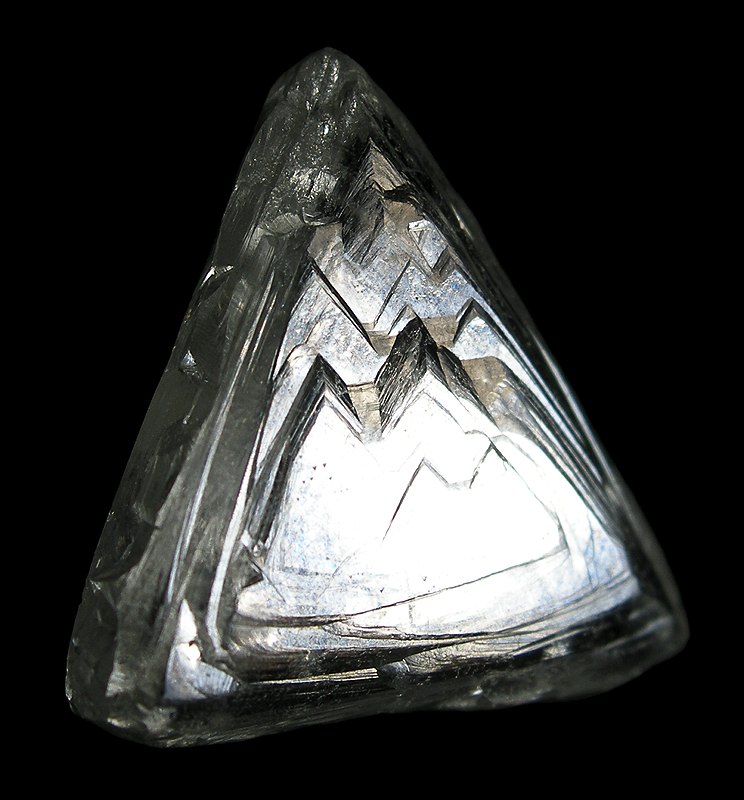

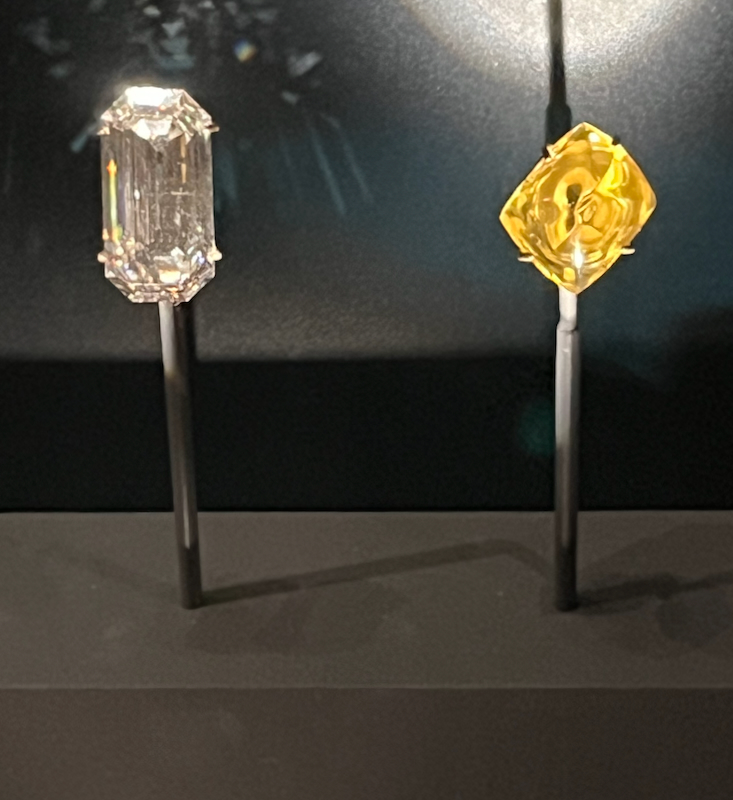
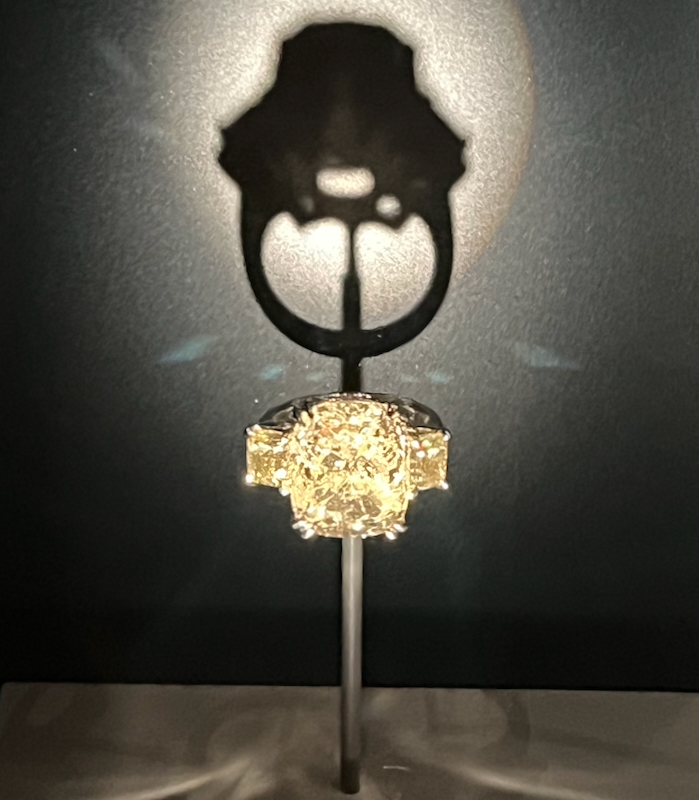
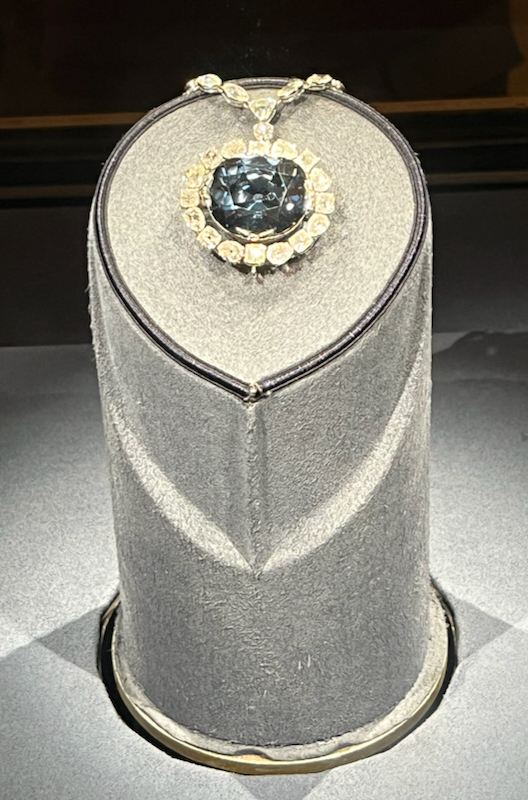
For such a simple mineral, with pretty much the shortest formula possible—C—diamond sure gets a lot of attention! Although it isn’t really the rarest gemstone, in modern times it’s always been expensive and has been mostly used in special jewelry like wedding rings. You may have heard the saying “diamonds are forever,” and that comes from the fact that they’re very hard—they can scratch pretty much all other things, and nothing can scratch them…except another diamond! That’s why they’re the 10 in the 1 to 10 hardness range. However, they can be crushed, which makes them useful in a very practical way. Crushed diamond is what people use to facet and polish other gemstones, and it’s the only thing hard enough to do that to other minerals that are almost as hard, such as sapphire. Why are diamonds so hard? The main reason is that they form very deep within the Earth under enormous amounts of pressure. If you’ve ever seen a large car being crushed by a machine into a small cube, that gives you an idea. If they’re made so far under the surface of the Earth, how do they get to us up here? Most diamonds are found in rock deposits called kimberlite pipes that solidified after magma from deep in the earth rose quickly, barreling its way up to the surface. Diamond mines look for these deposits and mine from the surface down into the kimberlite as far as they can go, finding diamonds all the way.
| Formula | Group or Type | Shape | Hardness | Specific Gravity | Streak | Luster |
|---|---|---|---|---|---|---|
| C | Native Element | Isometric | 10 | 3.5 | — | Adamantine |
Rock Gallery